
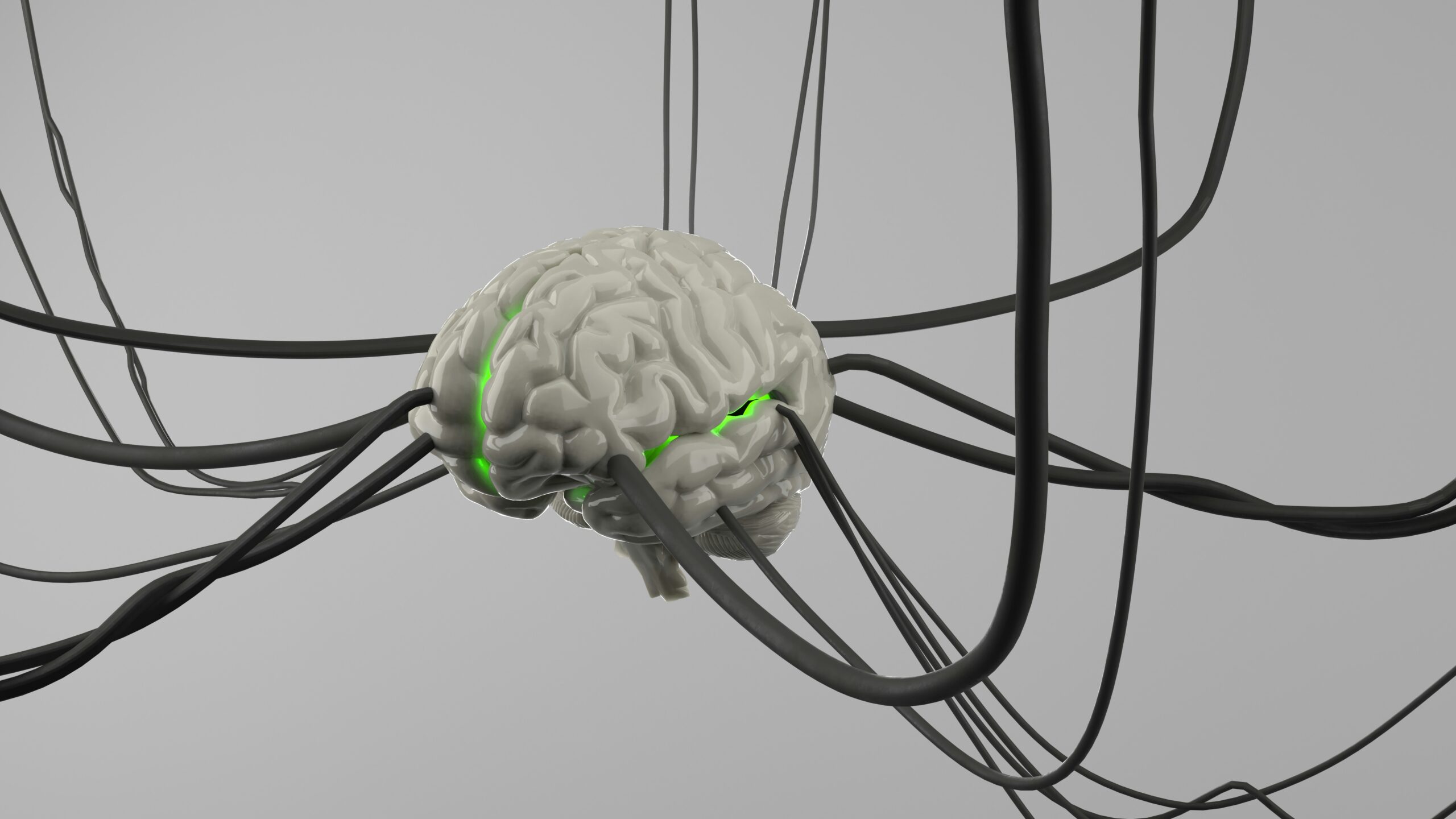

For non medical or scientifically inclined people like me, the concept of a sensitive/critical period, or neuroplasticity, a medical term used to describe the developing brain, might be impenetrable. So here’s a simple way to make it picturistic.
Think of the brain as a land. As you may know, land usage happens in stages, from virgin, fertile land to degraded land over time. Compared to a land that is overused, tired, degraded, and nutrient-depleted, virgin and fertile land is fresh, alive, naturally rich, and actively receptive to nutrients. Virgin land is much more valuable because it’s still balanced; at this stage, it has healthy microorganisms, good water retention, strong natural minerals, and less chemical damage. Such that anything you plant on it grows faster, better, and healthier. It’s a farmer’s dream.
Likewise, a developing brain (a baby’s brain), from birth to age five, is much more like virgin, fertile land in that it is highly receptive, highly adaptable, and full of growth potential. A baby’s brain is at a stage where it can easily, like a soft foam, absorb experiences (whether good or bad), habits, languages, emotions, and knowledge. This is why scientists call this stage of brain formation the sensitive or critical period, because in the same way a prudent farmer would be careful in managing fertile virgin land by:
- Planting only healthy crops, because healthy crops enrich the soil, while poor or terminated ones weakens it
- Avoiding overuse by creating time for recovery, because farmers understand that lands need time to regain nutrients in order to retain fertility.
- Avoiding excess chemical use or poor practices, because they know this could harden the soil and kill organisms beneficial to the soil, thereby reducing its long-term productivity.
- Paying attention to timing, because they know that too much or too little water, poor spacing, and constant disturbance can all affect the land’s health.
It is the same way it applies to the developing brain.
What makes the developing brain sensitive or in a critical period?

Anything that is fresh and fertile is sensitive. This is because the more plastic and malleable a thing is, the more powerful it becomes both as a useful tool for positive molding and as something highly susceptible to toxicity. The brain of a child is sensitive because the neural circuits (like electrical wires) in the brain are, at that stage, still being constantly modified as the baby gets new experiences. These wires (neurons) pass information through connection points called synapses. Connections that are rarely used gradually weaken and can eventually be pruned away. Meanwhile, repeated experiences and environmental input get strengthened, imprinted, and shape the brain and, most likely, the life of the child.
This means every experience, emotion, and environmental ingestion a child is repeatedly exposed to is like a crop planted on highly responsive land, which in this case is the brain. These crops could be attention or a lack of it, language, cruelty, fear, hunger, love and affection or a lack of them, learning, happiness, sadness, and in this age, constant exposure to technology; the list goes on.
Hence, like a prudent farmer, parents and caregivers should also bear in mind that nurturing a developing brain is a highly sensitive job because:
- Early experiences matter as the brain is highly plastic.
- Overuse, overstimulation, stress, and pressure can strain the brain. The brain, particularly developing brains, needs rest, balance, and healthy pacing.
- Environment is crucial. It heavily shapes the health of the developing brain.
- Timing matters because this sensitive or fertile period does not last forever.

Now, if all of these are sacrosanct to the developing brain. If early experiences and environments are foundational and key to the health of a baby’s brain. The big question is: If digital interaction begins shaping the brain at a tender age, what is being introduced into that development?